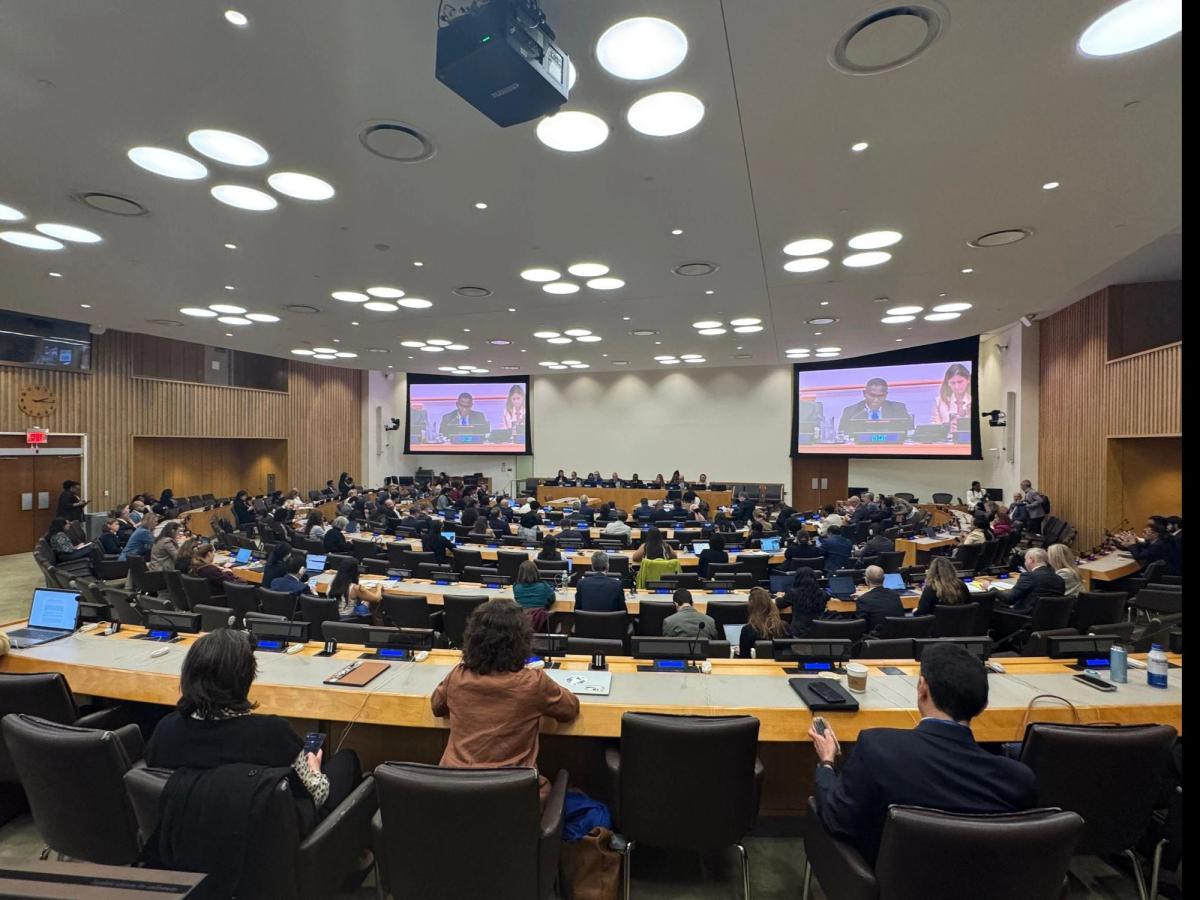
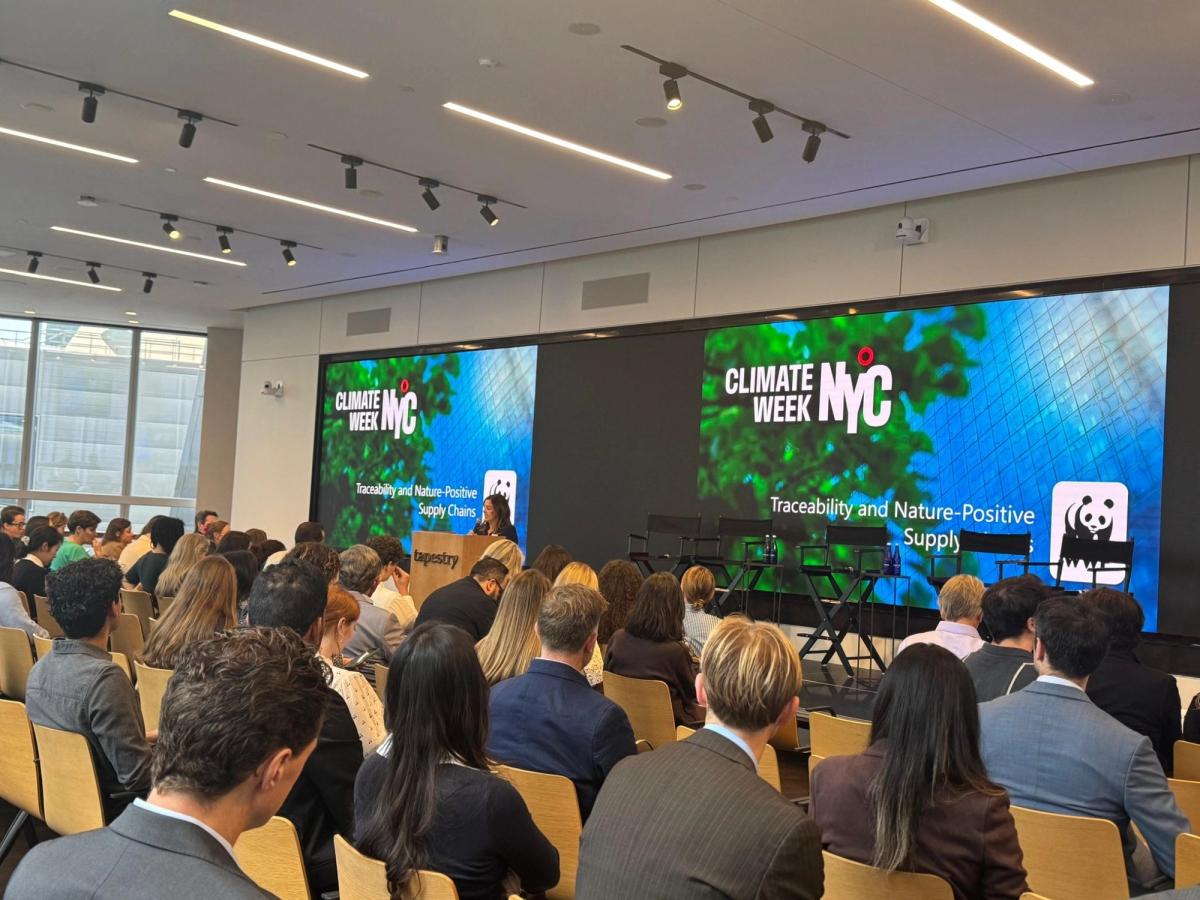
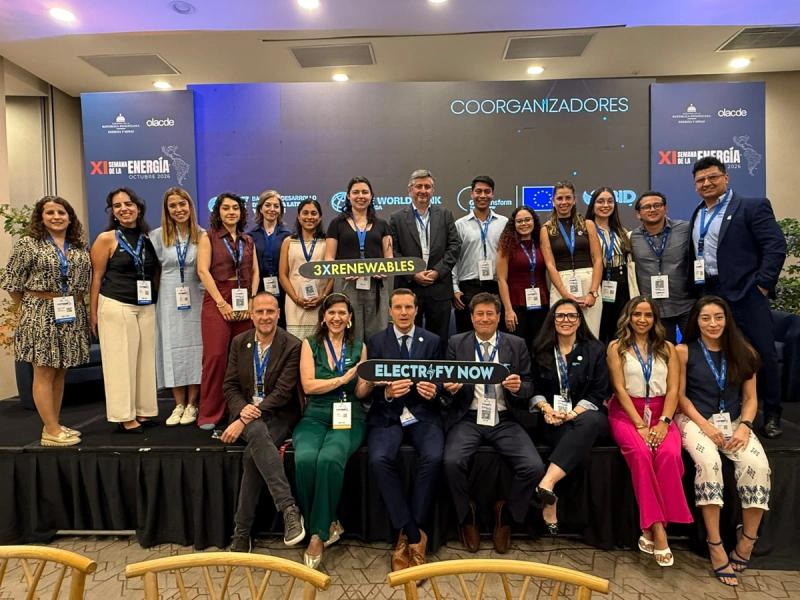
During the week of September 20-27, 2026, Climate Week in New York brought together representatives from governments, international organizations, civil society organizations, the private sector, academia, and social movements to exchange perspectives on the main challenges of the global climate agenda. In a context marked by the need to accelerate the implementation of commitments made under the Paris Agreement, one of the recurring themes in the discussions was the gap between climate goals and their effective translation into policies, investments, and concrete actions on the ground.
From Argentina 1.5, we participated in various exchange forums primarily related to adaptation, climate finance, and a just energy transition. These discussions allowed us to identify significant implementation gaps related to financing, institutional capacities, access to resources, and coordination among the different climate action agendas.
In conjunction with the Mexican Climate Initiative (ICM), the Climate and Society Institute (iCS), the Talanoa Institute, and One Point 5, we organized the event “Strengthening Climate Enabling Environments: Mobilizing Finance and Partnerships for Climate Delivery,” moderated by Ambassador Patricia Espinosa. The meeting fostered dialogue on climate finance, national platforms, and partnerships as tools to bridge the gap between climate commitments and their effective implementation in Latin America and the Caribbean. From Argentina 1.5, we presented the results of our Technical Report , “Navigating the Just Energy Transition in Latin America towards GST2: A stakeholder and policy analysis of Argentina, Brazil, Colombia, and Mexico,” focusing particularly on implementation gaps in adaptation and just energy transition in the region.
One of the key takeaways from participation in Climate Week in New York was the need to move beyond sectoral approaches and better connect existing policies and tools. In particular, the importance of aligning National Adaptation Plans (NAPs), Nationally Determined Contributions (NDCs), and energy strategies was highlighted, translating their priorities into concrete projects and funding opportunities. The discussions also underscored the magnitude of the adaptation financing gap and the importance of accelerating access to resources, strengthening the capacities of governments and local actors, and moving from diagnosis to action. In this context, the need to invest not only in infrastructure and resilience, but also in early warning systems and improved forecasting and anticipation capabilities, was emphasized.
Overall, Climate Week reinforced a central idea: the current climate gap is not only one of ambition, but also of implementation. The challenge lies in connecting commitments, policies, financing, and capacities to translate climate priorities into concrete actions, building transition processes that are simultaneously low-emission, resilient, and equitable.
Gallery