Fundación Argentina 1.5 participated in the Democracy 2026 Congress, organized by the Faculty of Political Science and International Relations of the National University of Rosario (FCPOLIT-UNR), within the framework of the symposium "Environment, Democracy, and Multilateralism in Times of Regression," organized by the Center for Environmental Policy Studies (CEPAS).
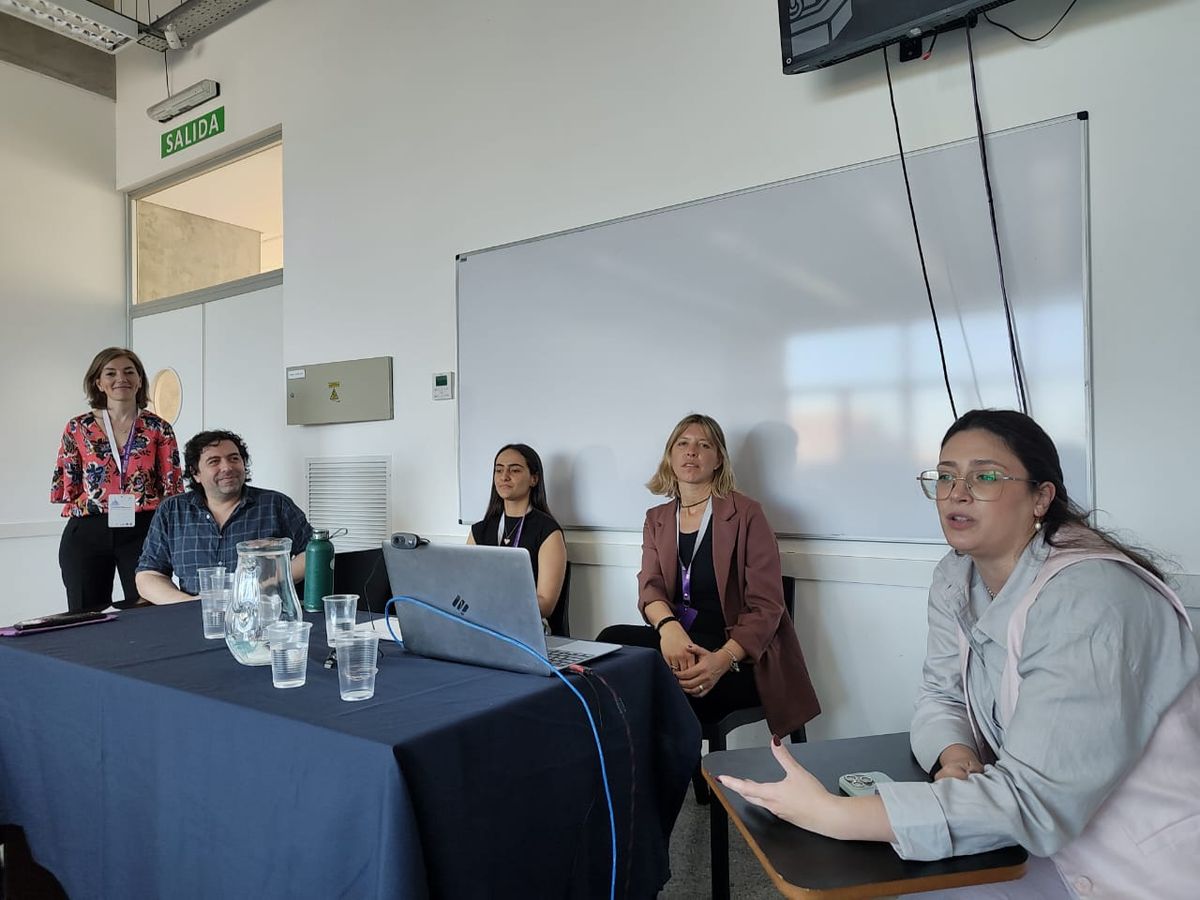
In this forum, we facilitated a discussion panel to reflect on the current challenges of climate governance, the transition to sustainable development models, and the strengthening of institutional capacities. As part of the symposium, Fundación Argentina 1.5 participated in the panel "Governing the Climate Transition in Times of Regression," a forum that brought together research and various lines of work from members of the Foundation and our academic network.
The following individuals participated as presenters:
Noel Dussort, CONICET - UNR and Coordinator of the Mitigation and Just Energy Transition area of the Foundation, presented the debates surrounding prosperity without fossil fuels in Latin America, and the challenges of building development models capable of generating well-being, employment, and opportunities without depending on fossil fuels.
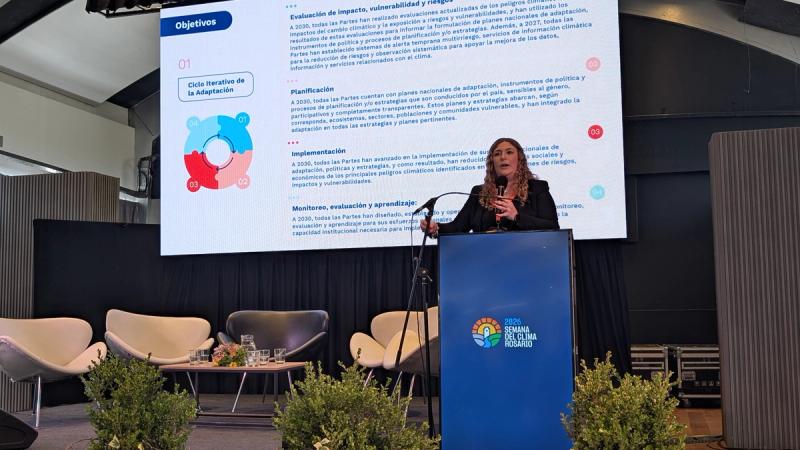
Carolina Passet presented the work on testing the indicators of the Global Adaptation Goal (GGA) in the case of the Argentine Gran Chaco, exploring the challenges of translating global commitments into monitoring and action tools at the territorial level.
Marlene Diedrich addressed the regulatory and institutional regressions in Argentine environmental and climate governance.
Victoria Laguzzi presented the adaptation priorities for COP31, emphasizing the need to avoid the fragmentation of policies and institutional efforts.
José Fernández Alonso analyzed the cost of capital and proposals to improve access to climate finance for developing countries.
The panel was moderated by Joel Hernán González, a researcher at CONICET and UNR and a member of Fundación Argentina 1.5.
The exchange allowed for connecting different dimensions of the climate agenda: from the transformation of productive and energy structures to institutional capacities, coordination mechanisms and the financial resources needed to implement mitigation and adaptation policies.
Gallery